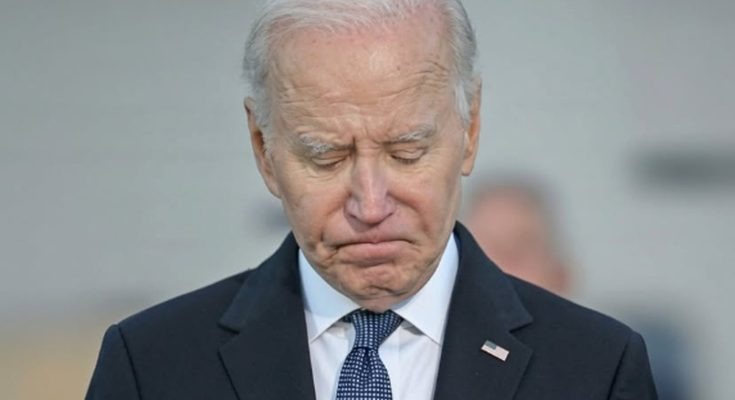
We’ve learned that senior officials gathered in secure locations and intelligence briefings intensified as **Joe Biden** remained hospitalized in critical condition. Communications teams worked around the clock to provide updates while avoiding speculation.
The constitutional mechanisms built to protect governmental continuity suddenly became the center of national attention. Discussions surrounding the Twenty-Fifth Amendment, a safeguard rarely discussed outside legal and political circles, entered mainstream conversation as citizens attempted to understand what would happen if the President became unable to perform the duties of the office.
Inside the White House, the atmosphere transformed almost instantly. Hallways that normally buzzed with activity became unusually subdued. Staff members moved with urgency but spoke quietly, fully aware of the gravity of the situation.
Phones rang continuously. Advisors reviewed contingency plans. Security officials coordinated with medical teams while policy experts prepared for multiple possible outcomes.
Every new medical update carried enormous significance, capable of affecting national stability and international confidence. At Walter Reed National Military Medical Center, doctors worked tirelessly to monitor the President’s condition. Medical experts remained cautious, emphasizing that every hour mattered.
For many Americans, regardless of party affiliation, the situation became deeply personal. Political debates that usually dominate public discourse briefly faded into the background as concern shifted toward the wellbeing of a husband, father, grandfather, and national leader.
Meanwhile, Vice President **Harris** found herself at the center of intense national attention. As constitutional procedures prepared for every possible scenario, she stood ready to assume greater responsibilities if necessary. Advisors, cabinet members, and congressional leaders maintained constant communication, ensuring that government functions would continue without interruption.
Internationally, allies and adversaries watched developments with extraordinary interest. Leaders from Europe, Asia, the Middle East, and beyond sought reassurance that the United States remained fully operational despite the medical crisis. Diplomatic channels remained active as governments evaluated the potential implications for global security, economic stability, and international cooperation.
As hours turned into days, public concern continued to grow. Citizens gathered in places of worship, posted messages of support online, and reflected on the fragile reality that even the most powerful leaders remain human. News anchors spoke in measured tones as analysts debated possible outcomes.
For now, America remains suspended between concern and optimism. The government continues to function, constitutional safeguards remain in place, and medical professionals continue their efforts—but everyone understands that the next official update could dramatically alter the course of events. So what happens to the nation while it holds its breath?