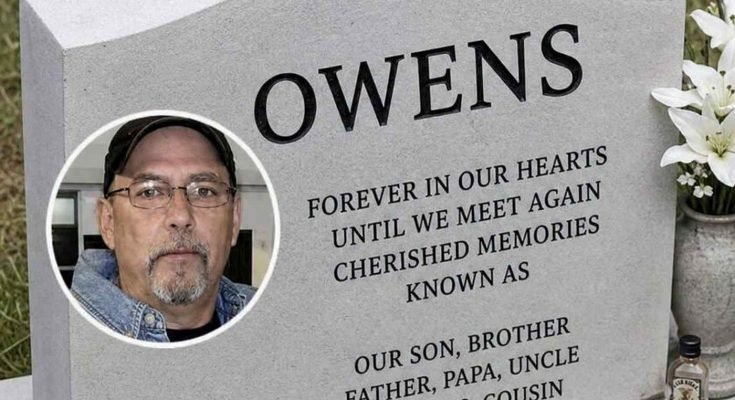
The dispute centers on tension between two competing values in how communities memorialize the dead. What one family saw as an intimate, authentic tribute has become a test of cemetery norms and governance.
What Happened
What began as a private joke between a father and his children has now drawn the attention of cemetery leadership. The inscription on the gravestone has created an unexpected point of contention that extends beyond the family itself.
The situation reflects a broader challenge facing modern cemeteries as they navigate what memorialization should look like in contemporary society. Family members argue their choice honors how they genuinely remember their loved one.
The Reaction
Across the cemetery boardroom table, the trustees see something else entirely: a precedent. If one profanity is allowed, what comes next? They fear a slow erosion of solemnity, of shared norms that make a cemetery feel safe for every mourner who walks its rows.
The trustees’ concern reflects institutional anxiety about maintaining standards in shared spaces. Their perspective weighs the collective experience of all who visit the cemetery against individual expressions of grief and remembrance.
What This Means
Between those two visions—personal authenticity and public decorum—lies a question no lawyer can fully settle: who owns a legacy, the loved ones who remember, or the community that must live with what’s left behind? The answer will likely shape how cemeteries balance future requests for unconventional memorials.
The case underscores the evolving nature of death rituals and public spaces. As families seek more personalized ways to honor the deceased, institutions must decide whether to maintain traditional boundaries or adapt to changing expectations about how people choose to be remembered.
