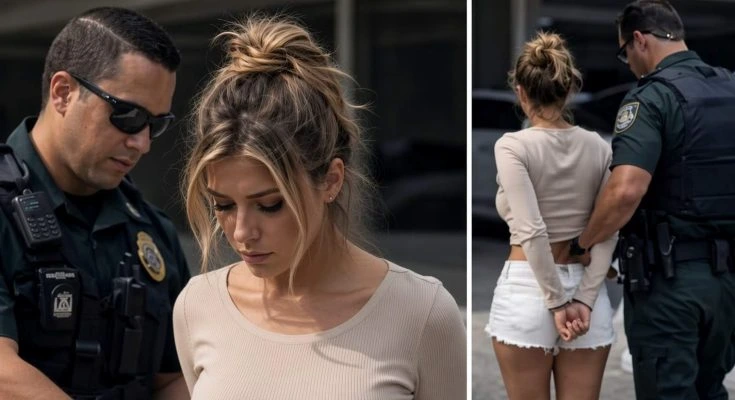
Privacy Violation Incident Ignites Debate Over Digital Ethics and Social Media Responsibility
An intimate moment captured without consent and shared widely online has reignited discussions about privacy rights, digital ethics, and the consequences of viral content in connected communities.
How a Quiet Neighborhood Became Ground Zero for Privacy Concerns
What began as an ordinary day in a residential neighborhood took an unexpected turn when an individual recorded a private moment involving a woman in a public location without her knowledge or permission. The footage, captured from a distance, quickly spread across multiple social media platforms within hours of being posted.
The incident has sparked widespread conversation about consent, digital privacy, and the ethics of recording and sharing intimate moments without explicit permission. Community members, initially shocked by the development, have begun grappling with larger questions about their collective responsibility in an age of instant content sharing.
The Privacy Violation and Digital Ethics Crisis
Privacy violations through unauthorized recordings represent a growing concern in the digital age. When intimate moments are captured and distributed without consent, they raise serious legal and ethical questions that extend far beyond the individuals directly involved.
Legal experts have noted that such recordings may violate state and federal privacy laws depending on jurisdiction and circumstances. Many regions have specific statutes addressing voyeurism, harassment, and distribution of intimate content without permission. The incident underscores how quickly digital content can amplify harm when shared across social media networks with minimal oversight.
“The speed at which content circulates online means that once a privacy violation occurs, containing or removing it becomes exceptionally difficult,” according to digital privacy advocates who have studied similar cases. The lasting impact on those involved—reputational damage, emotional trauma, and psychological consequences—often extends far beyond the initial incident.
Community Reaction and Broader Implications
Neighbors and community members have expressed mixed reactions, with some condemning the recording and its distribution while others engaged in online speculation and debate. The incident has divided the neighborhood into those advocating for privacy protection and digital accountability, and those focused on other aspects of the situation.
Social media platforms have faced scrutiny for their handling of such content. While some users have called for removal of the footage, questions remain about platform responsibility, content moderation speed, and the balance between free speech and protection from harassment.
The case illustrates a critical gap in digital literacy and ethical behavior. Many individuals share or engage with unauthorized intimate recordings without considering the profound consequences for the people involved, treating viral content as entertainment rather than recognizing the violation it represents.
Moving Forward: Consent and Digital Responsibility
Experts emphasize that society must develop stronger cultural and legal frameworks protecting individuals from privacy violations in the digital era. Education around consent, digital ethics, and the permanent nature of online content remains essential for preventing similar incidents.
The incident serves as a reminder that privacy protection requires collective responsibility—from individuals choosing not to record or share unauthorized content, to platforms implementing faster moderation systems, to lawmakers potentially strengthening existing privacy protections.
As communities continue processing the incident, the conversation around digital ethics and personal boundaries will likely shape how similar cases are handled in the future.
